Why commercial roofs need scheduled inspections
Most commercial roof problems start small: a cracked sealant joint at a pipe, a clogged drain, a puncture from an HVAC technician's dropped screwdriver. Found early, each is a quick repair. Missed, they become wet insulation, interior damage and a shortened roof life. Industry guidance commonly recommends inspecting commercial roofs at least twice a year, in spring and fall, and after major storms. Many manufacturer warranties also require routine maintenance.
What our commercial inspection covers
- Membrane or panel surface: punctures, blisters, splits, ponding, fastener back-out.
- Seams and laps.
- Perimeter edge metal, coping and parapet walls.
- Penetrations, pitch pans and rooftop unit curbs.
- Drains, scuppers, gutters and downspouts.
- Skylights and roof hatches.
- Interior ceilings and deck underside where accessible.
- Signs of foot-traffic damage around equipment.
Maintenance plans
| Plan element | Included |
|---|---|
| Spring and fall inspections | Yes |
| Drain and gutter clearing | Yes |
| Minor sealant and seam repairs | Included |
| Post-storm inspection | Priority scheduling |
| Photo report and budget forecast | Yes |
Plan pricing depends on roof size and type: quoted per roof, usually a small fraction of what a replacement would cost.
The report you receive
Each inspection produces a photo report with a condition rating, a list of findings ranked by urgency, repair costs and a forecast of remaining service life. Owners and asset managers use it for capital planning; property managers use it to show boards and tenants the roof is being cared for; insurers and lenders use it as condition documentation.
Pre-storm and post-storm checks
Before hurricane season we focus on the items that fail first in wind: edge metal, coping, loose equipment and debris that can become projectiles. After a storm, we inspect for blow-offs, punctures and seam damage and document everything with dated photos for any insurance claim.
Who benefits from a maintenance plan
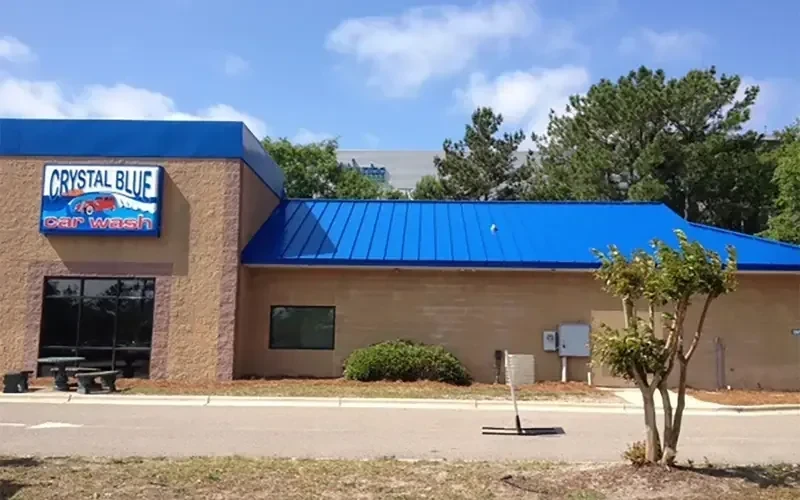
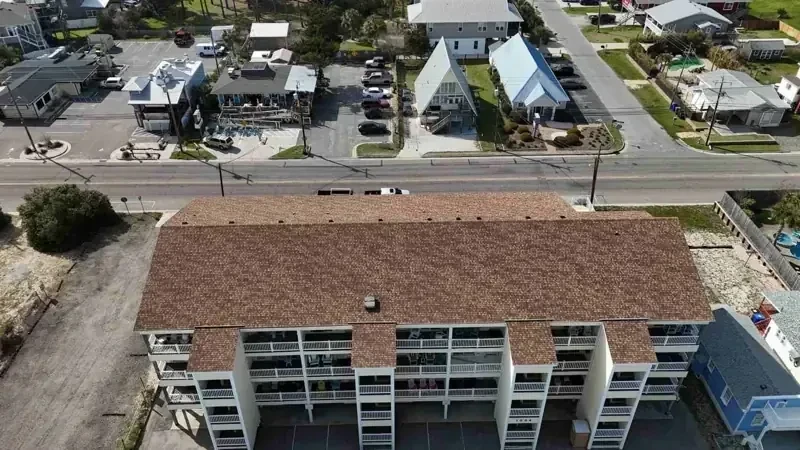
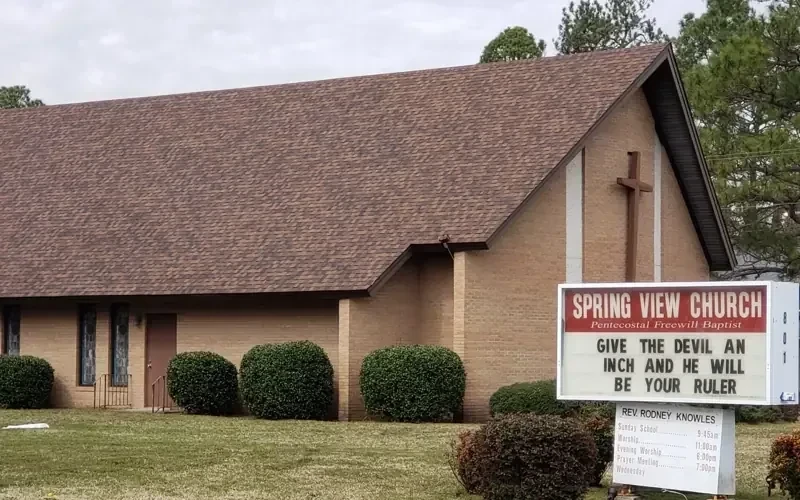
Owners of single buildings use plans to protect their biggest asset and avoid surprise repairs. Property managers and HOAs use them to keep boards informed and budgets predictable. Multi-site operators, such as restaurant groups and retail chains, use them to get consistent reporting across locations. Churches and nonprofits use them to stretch limited facilities budgets by catching problems early. If any of those describes you, a plan usually pays for itself the first time it prevents a leak.
Typical findings on coastal commercial roofs
- Clogged drains and scuppers from leaves, pine needles and debris.
- Failed sealant at pitch pans and around pipes.
- Loose or missing fasteners on edge metal after storms.
- Punctures and scuffs around HVAC units.
- Rust starting at cut edges or fasteners on metal roofs.
- Ponding water in low spots.
Commercial inspection FAQs
Do you work after hours or on weekends?
When a business needs it, yes. We schedule around operating hours to limit disruption.
Are you insured for commercial work?
Yes. We provide certificates of insurance on request and can name owners and managers as additional insureds.
Which counties do you serve?
New Hanover, Brunswick, Pender and Onslow counties, including Wilmington, Leland, Hampstead, Southport, Oak Island, Carolina Beach, Kure Beach, Surf City, North Topsail Beach and Jacksonville.
Can you work with our insurer or lender?
Yes. We provide the documentation, photos and scopes they typically request.
Infrared and moisture surveys
On larger low-slope roofs, moisture surveys can find wet insulation hidden under a membrane that looks fine. Mapping wet areas lets owners replace only what is damaged and plan the rest.
How to schedule
Call (910) 799-3858 or request an estimate and choose "commercial." We will ask for the building address, approximate roof size, roof type if you know it, how roof access works and any known problem areas. For multi-building properties, send a site list and we will propose an inspection route and a single combined report. Many owners start with one inspection, review the report, and then decide whether a recurring plan makes sense. There is no obligation to sign up for a plan or to use us for repairs that the report identifies.