Architectural shingles, explained
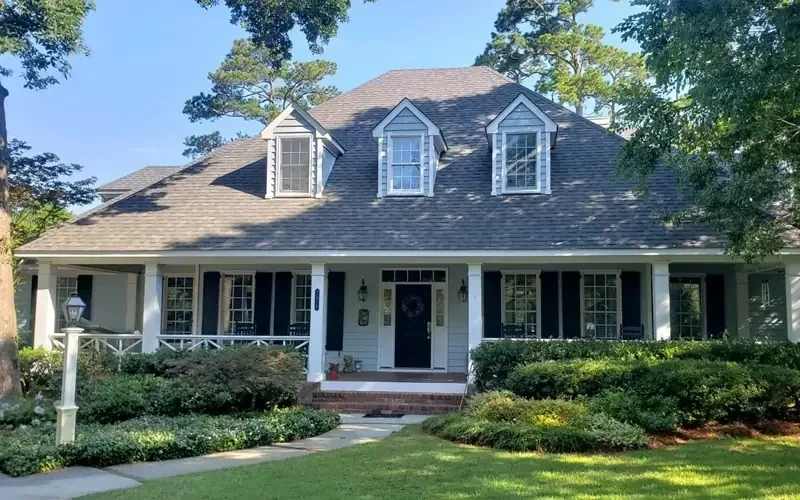
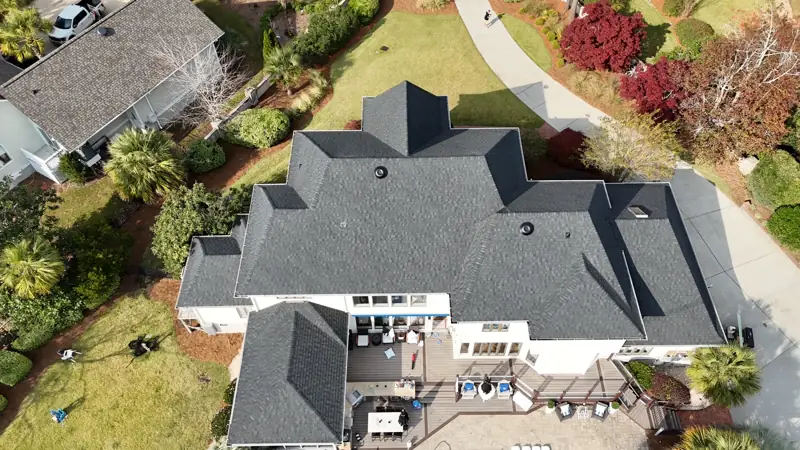
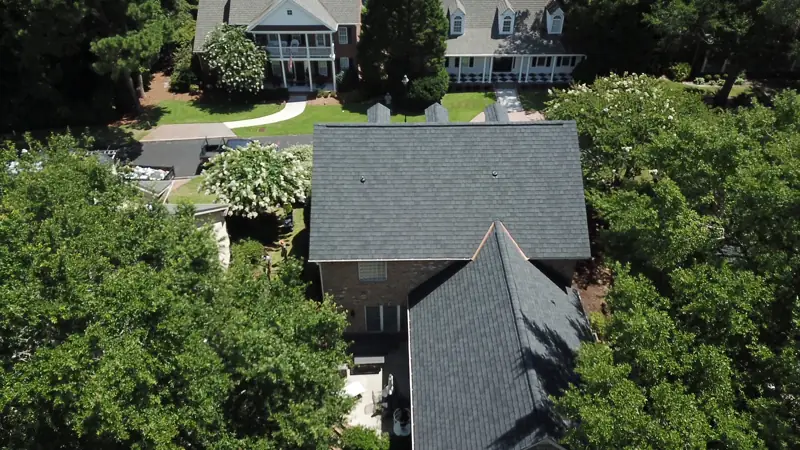
Architectural shingles (also called dimensional or laminate shingles) are made from two bonded layers of asphalt and fiberglass mat. The extra layer makes them thicker, heavier and stronger than older three-tab shingles, and it creates the shadowed, textured look most Wilmington homes have today. They are the most common roof in the Cape Fear region because they hit a sweet spot of cost, appearance and wind resistance.
Three-tab vs architectural
Three-tab shingles are thin, flat and uniform. Most manufacturers have moved their product lines away from them, and they carry lower wind ratings. If your home still has three-tab shingles, your next roof will almost certainly be architectural.
Why we install CertainTeed
Atlantic Roofing is a CertainTeed ShingleMaster contractor. CertainTeed grants that credential to installers who complete its training, which allows us to offer stronger manufacturer warranties than a non-credentialed roofer can. CertainTeed shingles are installed as a system: starter strips, underlayment, hip and ridge caps and ventilation that are designed to work together.
Wind resistance: what actually keeps shingles on
Shingle wrappers advertise wind ratings, but those ratings depend on correct installation. On the coast, these details make the difference:
- Nail placement: nails must hit the manufacturer's nailing strip, not above or below it.
- Nail count: high-wind installs use more nails per shingle.
- Starter strips at eaves and rakes: pre-glued starters lock down the first course, where wind uplift begins.
- Sealed ridge and hip caps: the most exposed shingles on the roof.
- Deck nailing: shingles are only as secure as the deck beneath them, which is why FORTIFIED roofs re-nail the deck with ring-shank nails.
Colors and curb appeal
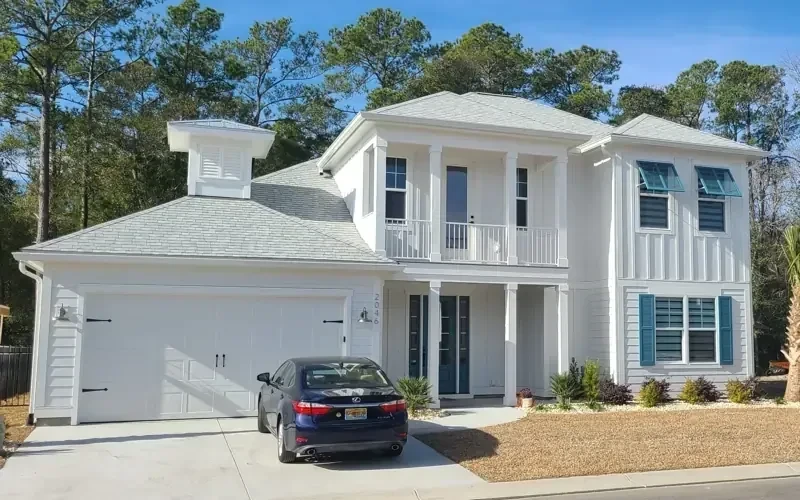
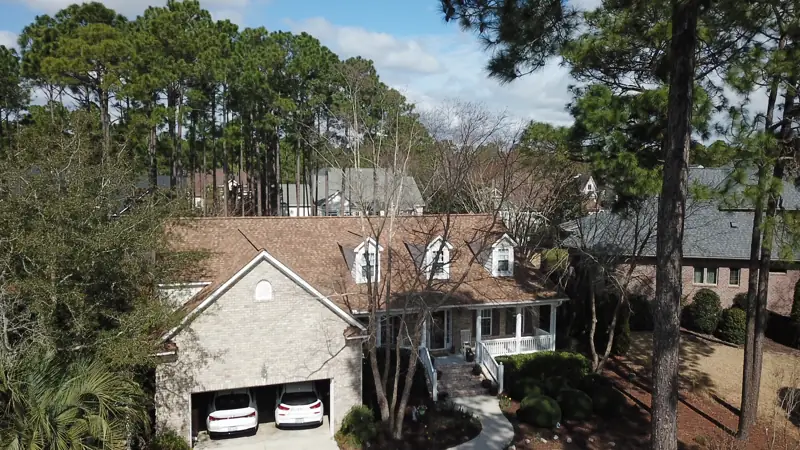
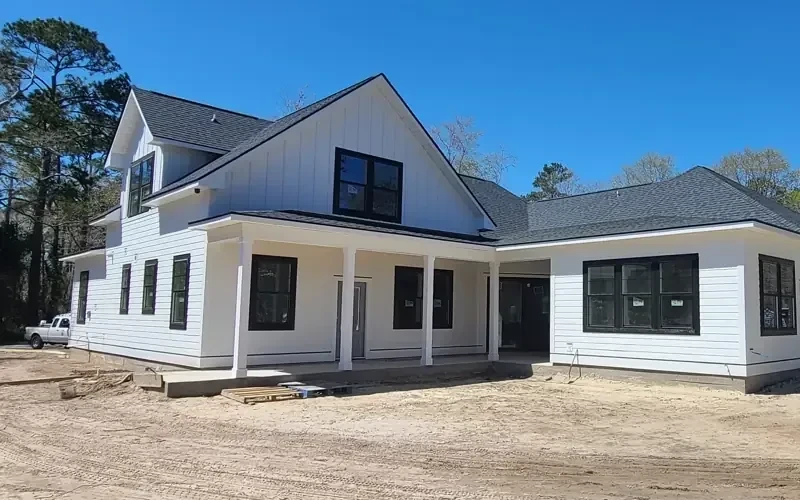
Shingle color affects how a home looks from the street and how much heat the roof absorbs. Lighter colors reflect more sun. Many coastal homeowners choose weathered wood, driftwood, gray and charcoal tones that pair with white trim and pastel siding. If you live in an HOA, we help you get color approval before the job starts. We can bring samples to your home so you can see them against your siding in real light.
Algae streaks and coastal humidity
The black streaks on many Wilmington roofs are a type of algae that thrives in humid climates. They are mostly cosmetic but make a roof look older than it is. Many architectural shingles now include copper-infused granules that resist algae growth for years. If you have streaks now, avoid pressure washing, which strips granules; a gentle treatment is safer. Ask us about algae-resistant options when you choose your shingle.
How long will a shingle roof last here?
Architectural shingles typically last 20 to 30 years on the coast. Good attic ventilation, light colors, prompt repairs after storms and clean gutters push a roof toward the upper end of that range. Poor ventilation, which bakes shingles from below, is the most common reason a roof fails early. We check and correct ventilation on every replacement.
Shingle roofing FAQs
Can you match my existing shingles for a repair?
Often, if the line is still made. If it has been discontinued, we look for the closest color and profile and tell you honestly how visible the patch will be.
Do shingles qualify for FORTIFIED?
Yes. High-wind architectural shingles over a sealed, re-nailed deck are the most common FORTIFIED roof in North Carolina.