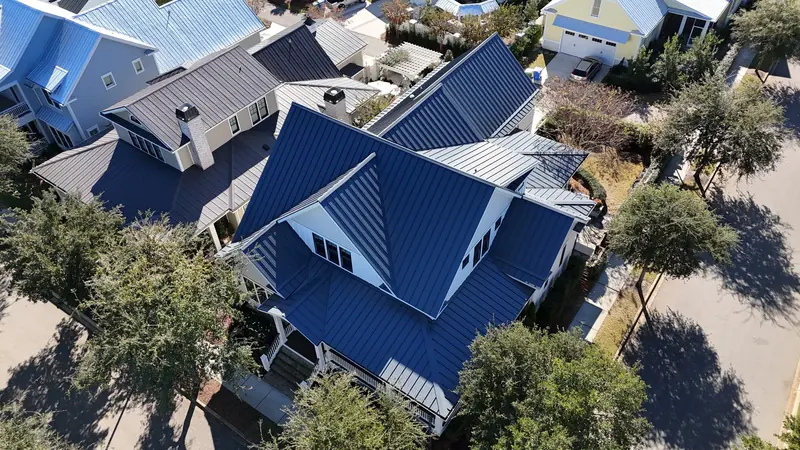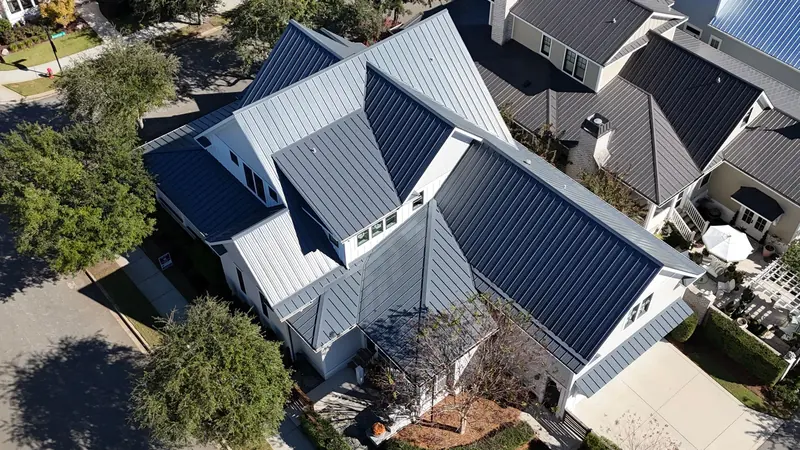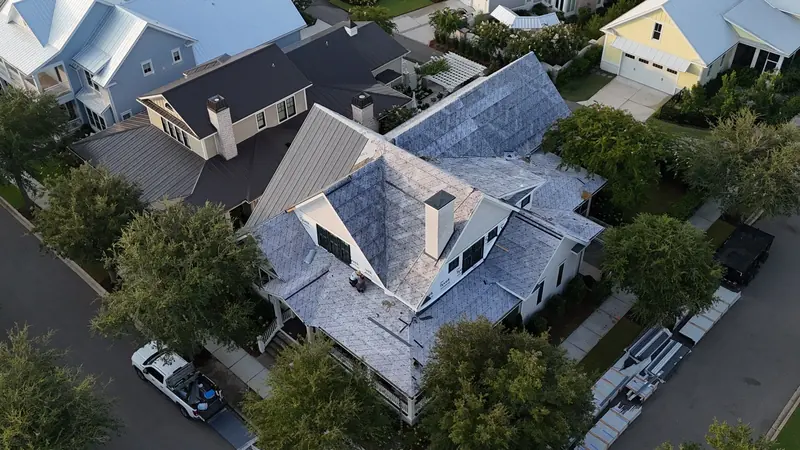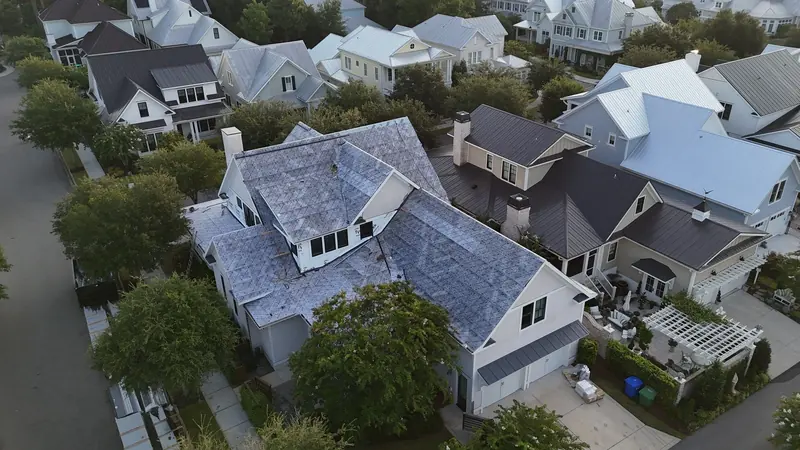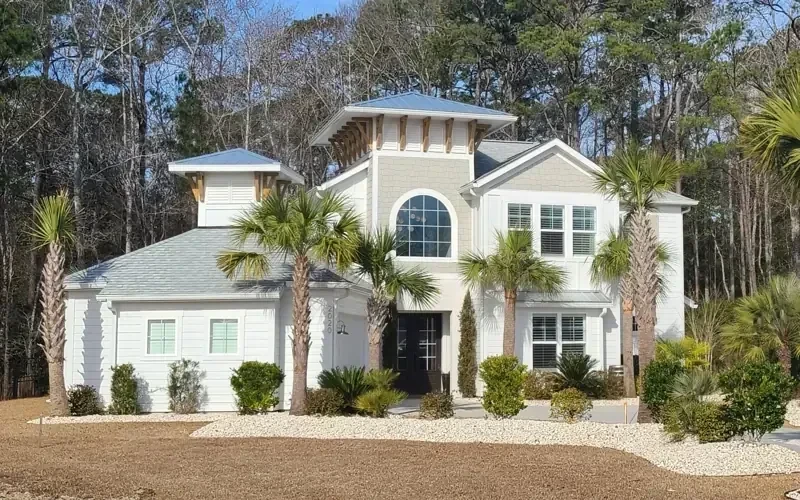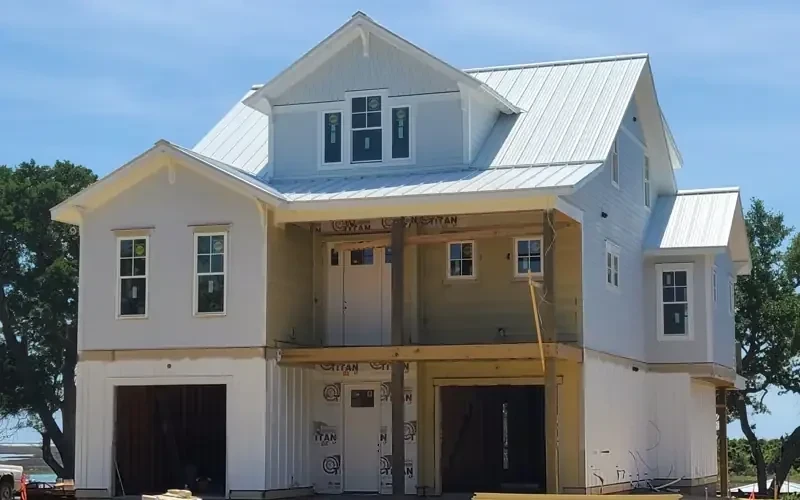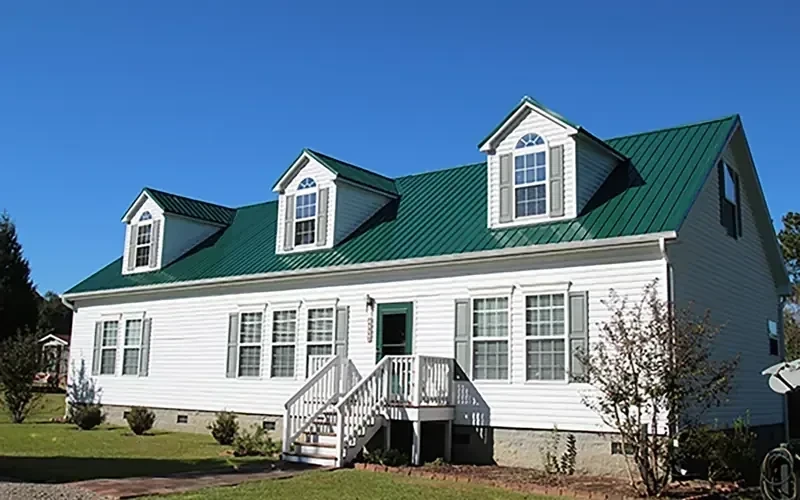
Metal roofing on the North Carolina coast
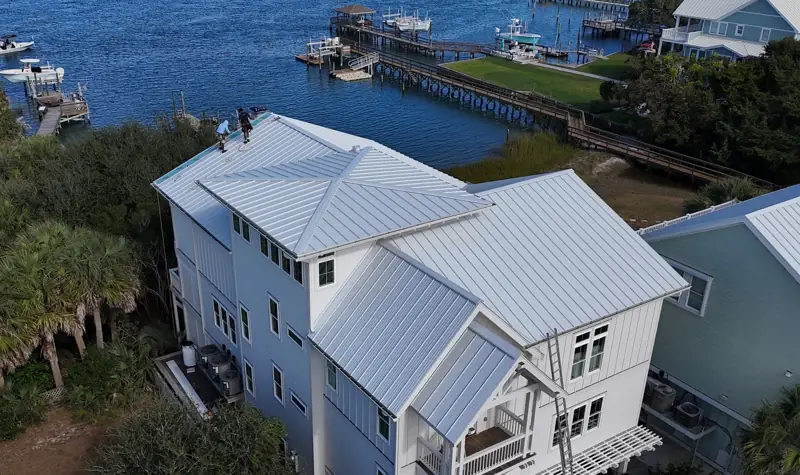
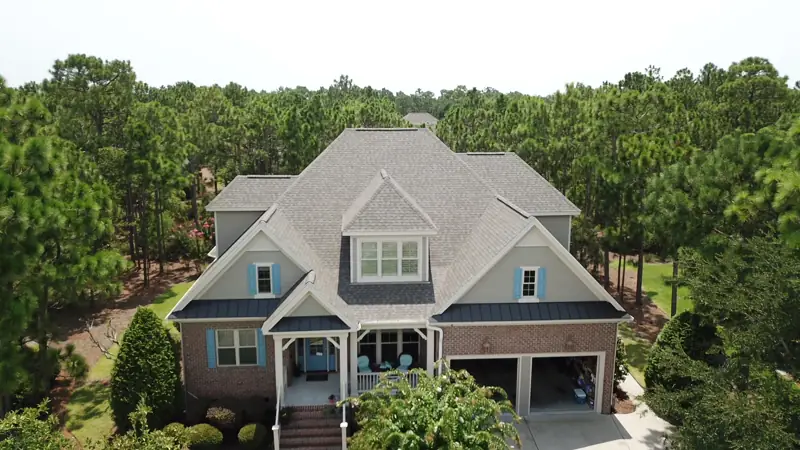
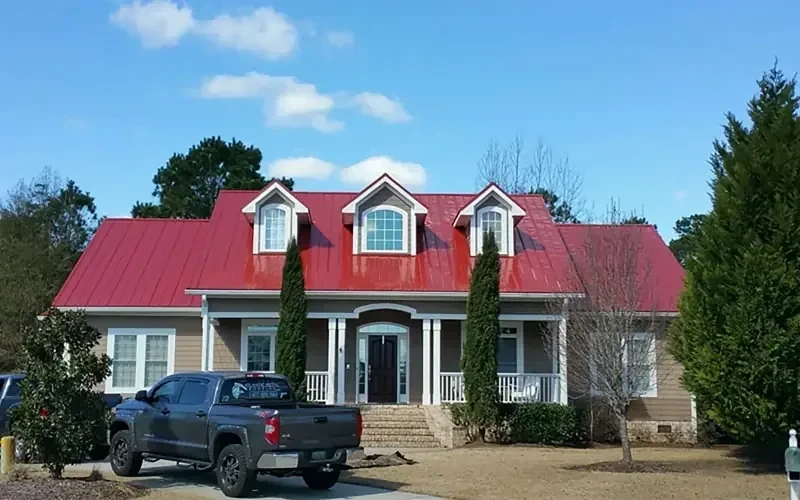
Metal has become the roof of choice for many homes between Topsail Island and Oak Island, and for good reason. A well-built standing seam roof handles hurricane-force wind, sheds heavy rain quickly, reflects summer heat and can last decades longer than asphalt. But not all metal roofs are equal. The panel system, metal type, coating, fasteners and installation details decide whether a metal roof thrives near salt water or starts rusting at the edges in a few years.
Standing seam vs exposed fastener vs metal shingles
| Standing seam | Exposed fastener panels | Metal shingles | |
|---|---|---|---|
| How it attaches | Hidden clips under raised seams | Screws through the panel face | Interlocking pieces, hidden fasteners |
| Wind performance | Excellent | Good when maintained | Very good |
| Maintenance | Very low | Fasteners need checking and replacing over time | Low |
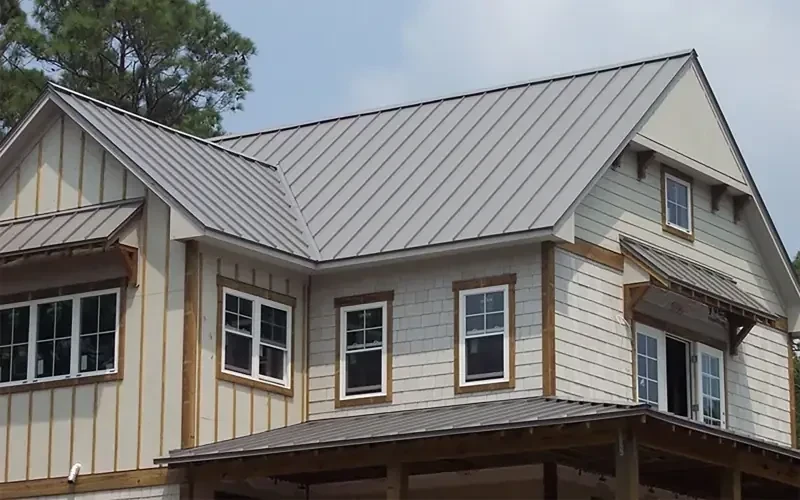
| Look | Clean vertical lines | Agricultural, utilitarian | Shingle, shake or tile look |
| Best for | Homes near the water, long-term owners | Barns, sheds, docks, budget projects | HOAs or owners who want a traditional look |
| Typical cost | $800 to $1,450 per square | $450 to $800 per square | $700 to $1,100 per square |
Choosing metal for salt air
Salt is the enemy of steel. The closer a home is to the ocean or sound, the more the details matter:
- Metal type: galvalume-coated steel works well for most of the region. Directly on the oceanfront, aluminum panels resist corrosion best because aluminum does not rust.
- Coating: high-performance paint systems such as PVDF (often sold as Kynar 500) hold color and resist chalking far longer than basic polyester paints.
- Fasteners and clips: stainless or coated fasteners matched to the panel metal prevent galvanic corrosion.
- Cut edges and trim: careful hemming and sealing at edges keeps salt from getting a foothold.
- Rinsing: on oceanfront homes, an occasional freshwater rinse of areas the rain does not reach helps the finish last.
Is a metal roof worth it?
Metal costs more up front than shingles. Whether it pays off depends on how long you will own the home and how exposed it is. A standing seam roof can outlast two shingle roofs, so if you plan to stay 20 years or more, the cost per year of service is often lower. Metal also reflects heat, which can trim cooling bills in a coastal summer, and many buyers see a metal roof as a selling point. If you expect to move within a few years, architectural shingles usually make more sense. Read our full comparison: metal vs shingles on the NC coast.
Common questions about metal roofs
Will a metal roof be loud in the rain?
No. Over a solid wood deck and underlayment, rain on a metal roof sounds about the same as on shingles. The loud metal roofs people remember are usually on open barns.
Does a metal roof attract lightning?
No. Metal does not make a strike more likely, and if lightning does hit, a metal roof will not burn.
Can you walk on a metal roof?
Carefully, and only in the right spots. We advise homeowners to stay off and call us for any work.
Can metal go over my old shingles?
Sometimes, but on the coast we usually recommend tearing off so we can inspect and re-nail the deck, especially if you want a FORTIFIED designation.
How long does installation take?
Most metal roofs take 2 to 4 days, a little longer than shingles because panels are measured, cut and fitted precisely.
Why Atlantic Roofing for metal
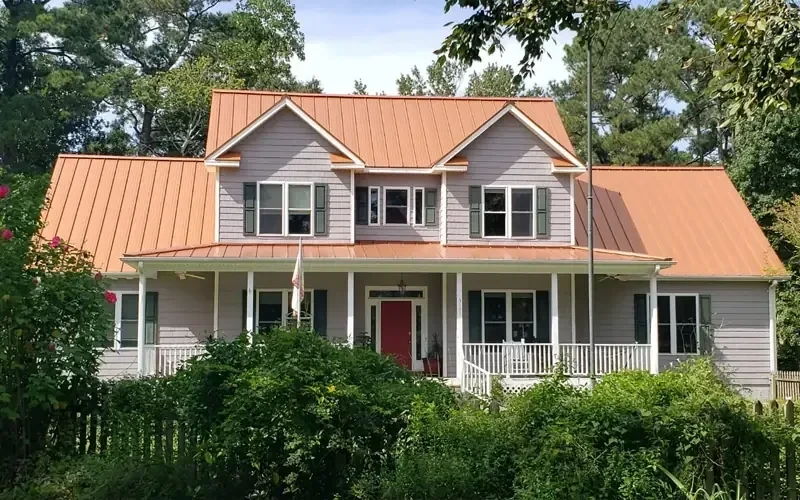
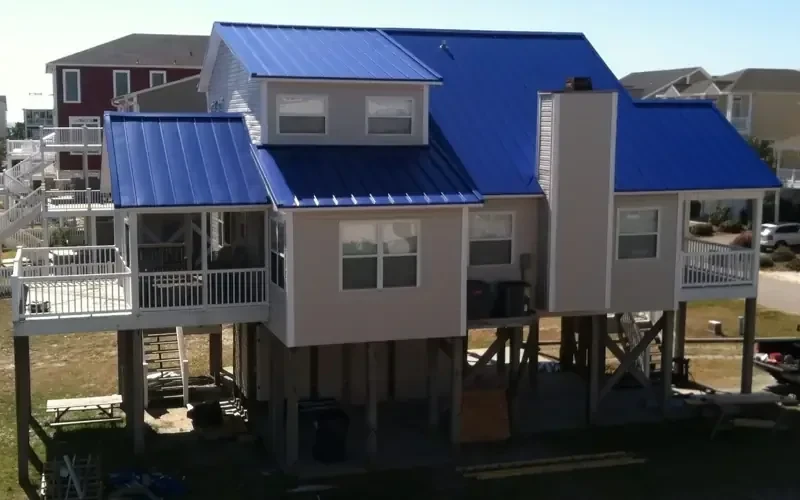
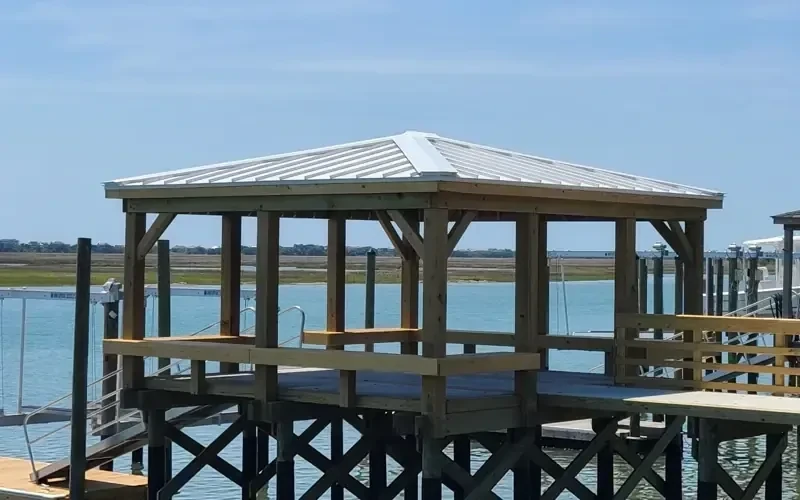
Metal is in our roots. Atlantic Roofing has installed metal roofs on cottages, farmhouses, raised beach homes, churches, commercial buildings and even a dock gazebo over the Intracoastal Waterway, in galvalume, white, gray, green, red, blue and copper tones. We build metal roofs to the FORTIFIED standard when you want maximum storm protection, and we finance qualified homeowners with $0 down.